Paddy Power Plans Retail Closures as Economic Pressures Mount on High Street Betting
Written by Noah Braun · Sep 3, 2026

Paddy Power Plans Retail Closures as Economic Pressures Mount on High Street Betting
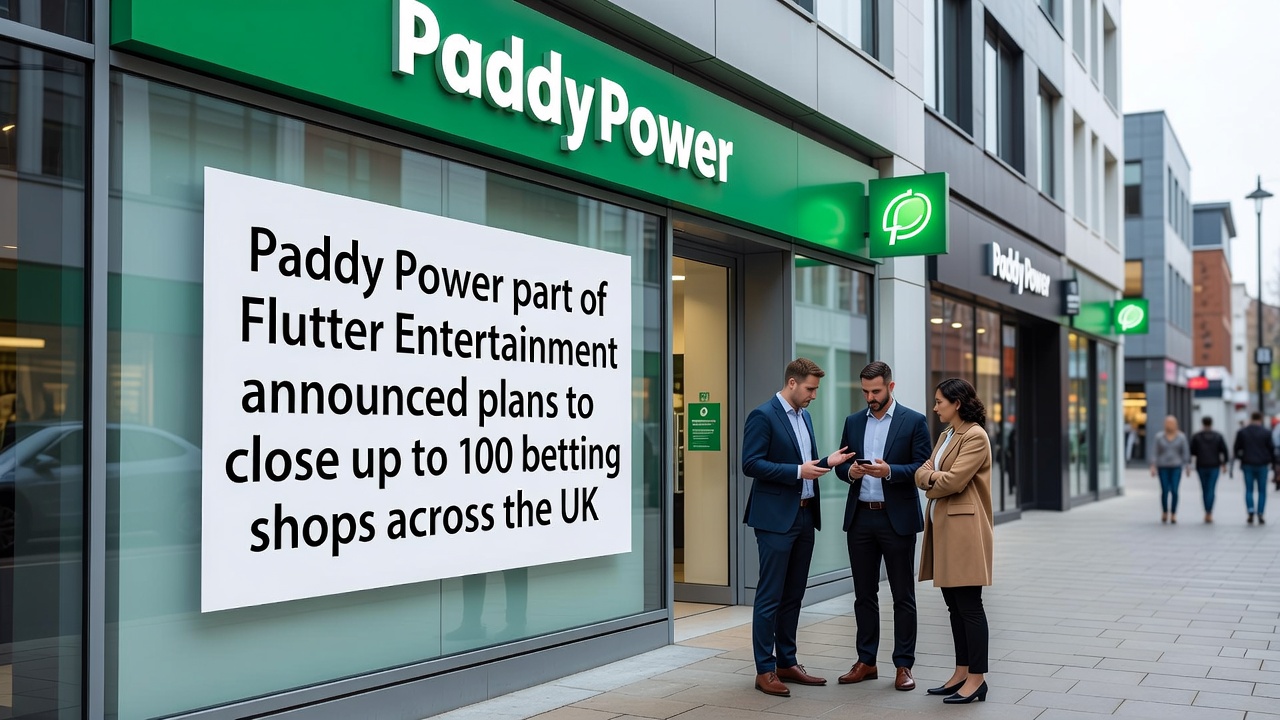
Paddy Power, operating under Flutter Entertainment, has outlined plans to shut as many as 100 betting shops across the UK and Ireland by the close of the year, a move that affects roughly one fifth of its retail portfolio and places around 400 positions at risk of redundancy. The company attributes the decision to sustained challenges in the high street environment, where rising energy costs, elevated rents, business rates, broader economic uncertainty, intensifying online competition, and increased gambling taxes introduced in the previous UK budget have combined to strain operations. Those familiar with the sector point out that the announcement aligns with a pattern of similar adjustments by competitors, as Betfred closed 132 shops earlier and the owner of William Hill, Evoke, reduced its estate by 270 locations. Observers note these steps reflect how operators recalibrate physical presence when overheads climb while customer habits shift toward digital platforms.Details of the Announced Reductions
The closures target underperforming sites where footfall has declined and margins have tightened, according to company statements. Flutter Entertainment management indicated that affected employees would receive support through redundancy packages and assistance programs designed to ease transitions. Industry data shows that retail betting outlets have faced consistent pressure since the pandemic accelerated migration to mobile and online channels, with physical locations accounting for a shrinking share of overall wagering activity.
Figures from recent budget analyses reveal that the tax increases on gambling operators added direct costs at a time when energy prices and commercial property expenses continued to climb. One study of high street retail trends found that betting shops, which rely on consistent customer visits for machine play and over-the-counter bets, encounter particular difficulties when discretionary spending contracts during periods of inflation and interest rate volatility.
Contributing Economic Factors
Rising energy bills represent one immediate burden, as shops require lighting, heating, and power for gaming terminals throughout operating hours. Rents and rates have followed national trends upward in many town centers, while the budget measure that lifted the rate of remote gaming duty and other levies increased the tax load on firms already navigating narrow profit margins. Economic uncertainty stemming from inflation and slower growth has further reduced the number of regular visitors, according to retail performance reports compiled by sector analysts.
Online competition continues to draw customers away from bricks-and-mortar sites, since mobile apps offer convenience, live streaming, and promotions without the need to travel. Data compiled by market research groups indicates that digital betting now captures the majority of new accounts and a growing portion of total stakes placed in the UK and Ireland markets. Those who track consumer behavior note that younger demographics in particular prefer smartphone interfaces over traditional counter service.
Industry-Wide Context and Precedents
Similar decisions by other major operators underscore that the pressures extend beyond any single company. Betfred's earlier round of closures and Evoke's reductions demonstrate how firms respond when fixed costs rise faster than revenue from physical locations. Trade publications have documented dozens of shop closures across the sector over the past two years, with operators citing the same combination of tax changes, property expenses, and channel shift.
According to Flutter Entertainment investor updates, the group continues to expand its online and international divisions even as it streamlines the UK and Irish retail footprint. This dual approach allows resources to move toward higher-growth areas while addressing legacy store economics. Reports from Racing Post coverage confirm that consultations with staff representatives have begun at the affected sites.
Timeline and Next Steps
The company expects the majority of closures to occur before December, although exact locations remain subject to final review adn local lease negotiations. Employees at risk have been informed that the process will follow statutory consultation periods, during which alternative roles within the wider group may be explored where feasible. Observers tracking the sector expect further consolidation announcements from other chains as the new tax regime takes full effect.
Conclusion
The planned reductions at Paddy Power illustrate how macroeconomic conditions and policy changes intersect with evolving consumer preferences to reshape the retail betting landscape. As operators adjust their physical estates, the emphasis shifts toward digital platforms that offer lower variable costs adn broader reach. The coming months will show how the remaining shops perform under the revised cost structure and whether additional adjustments become necessary across the industry.