Navigating Interconnected Data Streams That Shape Hybrid Wager Structures Across Football, Racing and Table Games in Britain
Written by Bianca Hartmann · Aug 25, 2026
Navigating Interconnected Data Streams That Shape Hybrid Wager Structures Across Football, Racing and Table Games in Britain
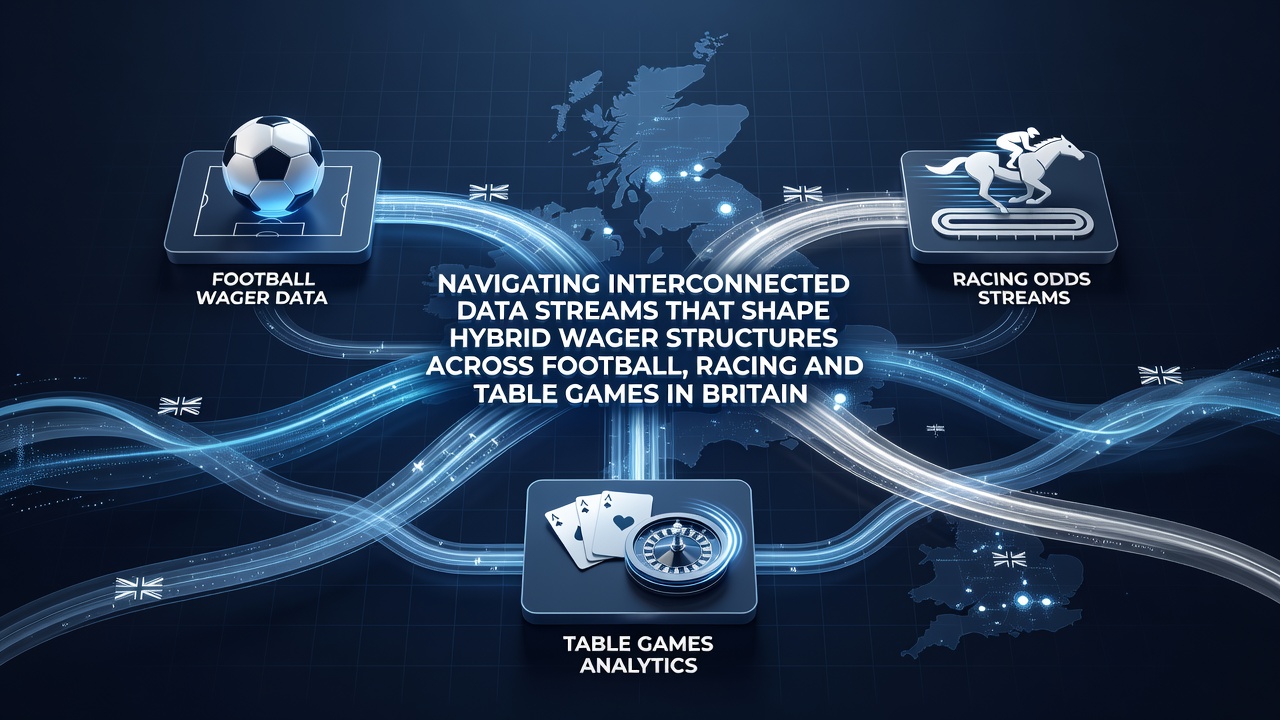
Data streams from multiple sources now converge to create hybrid wager structures that combine elements of football matches, horse racing events, and table games, and operators in Britain rely on these flows to adjust odds in real time while bettors access layered products that blend live statistics with historical performance metrics. Real-time feeds from stadium sensors, track timing systems, and casino software platforms merge through central processing hubs, which allows bookmakers to generate combined markets such as a football goal scorer paired with a specific racing outcome and a blackjack hand total.
Real-Time Integration Across Sports and Games
Football data providers supply minute-by-minute player tracking information that racing operators cross-reference with form guides and pace analytics, while table game servers contribute probability models derived from card shuffle sequences and betting patterns. These combined inputs feed algorithms that construct wagers where a single stake can cover an accumulator spanning a Premier League result, an upcoming race dividend, and a roulette wheel segment, and the architecture depends on low-latency connections that update continuously throughout each event.
By August 2026 several platforms had expanded their hybrid offerings after regulatory adjustments opened new pathways for cross-category products, and industry reports show increased volume in these markets as operators refined their data pipelines to handle simultaneous streams without latency spikes. Observers note that the shift required substantial investment in cloud infrastructure, yet the payoff appears in higher engagement metrics reported across multiple betting channels.
Data Sources Driving Hybrid Products
Operators pull structured datasets from official league partners, private timing companies, and licensed gaming software vendors, then apply normalisation layers that reconcile differing formats into unified models. A football pass completion rate can influence a linked racing market when algorithms detect correlations between team performance trends and jockey statistics, and similar linkages appear when table game volatility indexes adjust payout structures for combined bets.
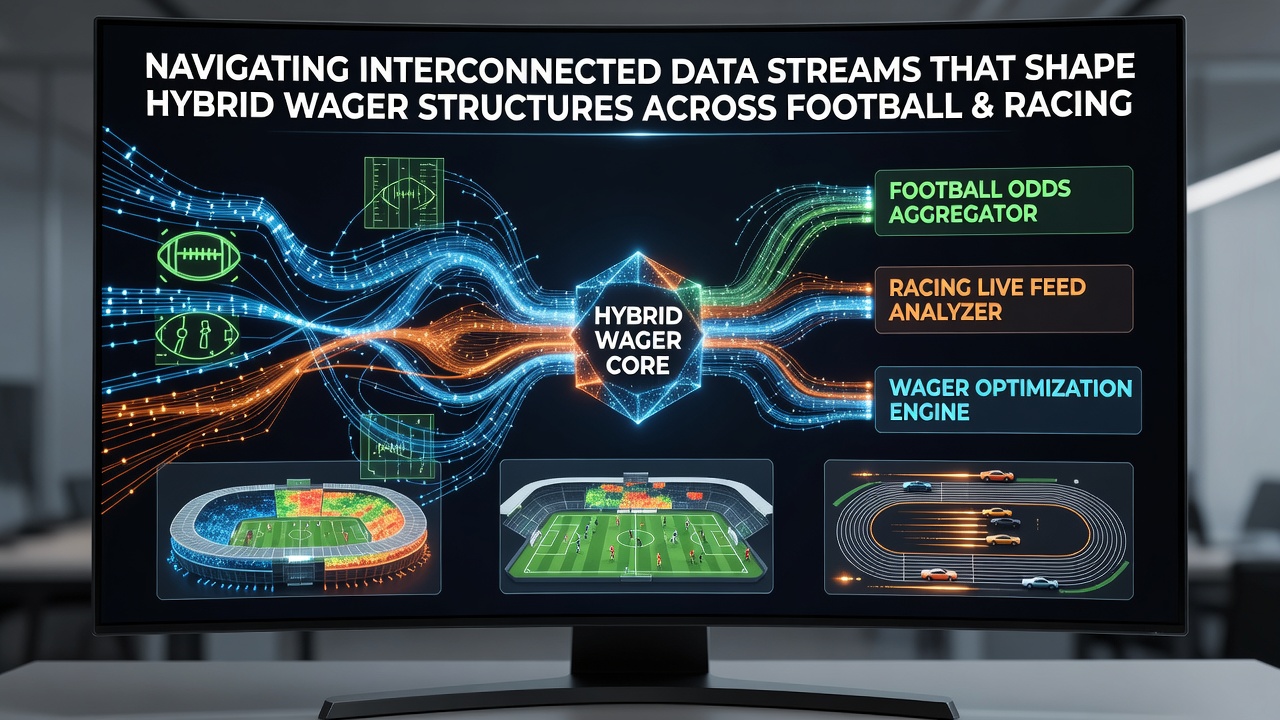
Researchers at the OECD have documented how such multi-source aggregation improves predictive accuracy across entertainment sectors, while a separate analysis from the European Gaming and Betting Association highlights the technical standards that enable secure transmission of these streams between competing operators. The standards cover encryption protocols and audit trails that satisfy oversight requirements without restricting product innovation.
Operational Considerations for Market Participants
Bookmakers maintain dedicated teams that monitor stream integrity and flag anomalies before they affect wager settlement, and these teams coordinate with technology vendors to maintain uptime during peak periods such as major race meetings or football tournaments. Bettors encounter interfaces that present hybrid options through intuitive menus, where selections from different categories combine automatically once compatibility rules are satisfied.
Table game contributions often enter the mix through live dealer feeds or random number generator outputs that update alongside sports statistics, creating opportunities for wagers that respond to both athletic results and gaming outcomes within the same betting slip. Data normalisation ensures that a blackjack probability shift registers with the same weight as a late goal in a football match, which allows the overall structure to remain balanced.
Future Trajectory of Interconnected Wagering
Continued expansion of 5G networks and edge computing facilities supports faster reconciliation of the various streams, and developers continue testing new hybrid formats that incorporate additional variables such as weather data from racecourses or crowd density metrics from stadiums. These enhancements build on existing frameworks rather than replacing them, which preserves continuity for users already familiar with current product ranges.
Conclusion
The architecture of interconnected data streams now underpins most hybrid wager structures available across football, racing, and table games in Britain, and the mechanisms rely on coordinated inputs from sensors, software platforms, and statistical models that update continuously. Market participants navigate these flows through established protocols that balance innovation with operational stability, and developments through August 2026 indicate further refinement rather than wholesale replacement of current systems.